Why Regular Vehicle Challan Checks Should Become a Part of Everyday Driving in India
By `Dhaneshwar Sahu
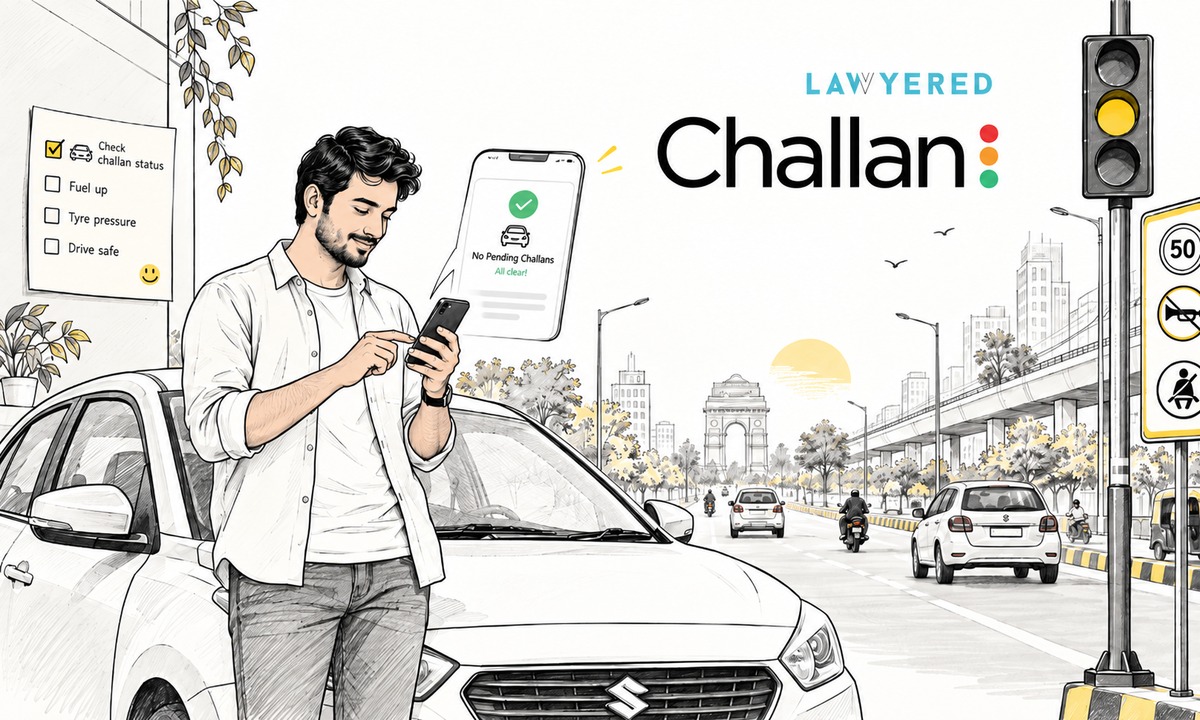
For many vehicle owners, a traffic challan is something they think about only after receiving a message, noticing a fine, or being stopped by traffic police. But India’s increasingly digital traffic enforcement system is changing that habit. With automated cameras, electronic challans and digitally recorded violations becoming more common, a vehicle owner may have a pending challan without immediately knowing about it.
This makes regular vehicle challan checks more than a way to find out how much money is owed. They are becoming an important part of responsible vehicle ownership.
Why Drivers May Not Know About a Challan
Traditional traffic enforcement usually involved direct interaction between the driver and traffic police. Digital enforcement works differently. A violation may be recorded through cameras or other automated systems, and the challan can subsequently be linked to the vehicle registration details.
As a result, the person driving the vehicle may not always know immediately that a violation has been recorded.
This can happen for several reasons. A vehicle may be driven by a family member, employee or another authorised person. A camera may capture a violation when the owner is not present. Contact details may also not always be updated correctly.
Waiting for a notification, therefore, is not always the best approach.
A Simple Challan Check Can Prevent Bigger Problems
Regularly checking your vehicle's challan status gives you an opportunity to identify pending fines before they become a larger compliance concern.
A routine check can help vehicle owners:
- Identify pending traffic challans
- Review recorded violations
- Keep track of multiple challans
- Take timely action on unresolved matters
- Maintain better records of vehicle compliance
- Avoid discovering old challans during an urgent transaction
This is particularly useful for people who own multiple vehicles or businesses that operate commercial fleets.
Vehicle Compliance Is More Than Paying a Fine
A traffic challan should not always be viewed as simply a payment that needs to be completed. An unresolved challan can become part of a broader vehicle compliance issue, particularly when a vehicle owner has several outstanding matters.
This is why the first step should be understanding the status of the challan.
Is it an ordinary online challan? Is it already associated with a court process? Is the information correct? Are there multiple pending violations?
The answer can determine what action should be taken next.
Online Platforms Are Making the Process Easier
The growing use of digital platforms has simplified the way vehicle owners manage traffic-related issues. Instead of treating every challan as a separate administrative task, platforms such as ChallanPay provide a more structured way to check and manage challan-related matters.
According to its website, ChallanPay allows users to begin by entering their vehicle details, view pending challans and proceed toward resolution. The platform also positions itself around both online and court challan resolution, along with legal support and customer assistance.
The objective is not simply to provide another payment option. It is to make the overall challan-resolution process easier to understand and manage.
Who Should Check Their Challan Status Regularly?
Every vehicle owner can benefit from periodic checks, but some categories should be especially careful.
People who frequently travel across cities or states may encounter different enforcement systems. Families sharing vehicles may also find it difficult to know whether another driver has received a challan.
Similarly, businesses managing several cars, taxis, trucks or commercial vehicles have a greater need for regular compliance monitoring. A small unresolved issue can become difficult to track when multiple vehicles and drivers are involved.
Used-car buyers should also consider checking the vehicle's challan status before completing a purchase. Understanding the vehicle's existing compliance position can help prevent unexpected issues after ownership changes.
How Often Should You Check?
There is no universal requirement for every driver to check a vehicle every week. However, making it a regular habit can be useful.
A vehicle owner could consider checking:
- Once a month for personal vehicles
- Before selling or transferring a vehicle
- Before purchasing a used vehicle
- Before important vehicle-related documentation
- Whenever a possible traffic violation is suspected
- Regularly for commercial or fleet vehicles
The key is consistency.
A Better Approach to Digital Vehicle Ownership
The modern vehicle owner has more responsibilities than simply maintaining fuel, tyres, insurance and servicing schedules. Digital compliance is becoming another part of vehicle ownership.
A periodic traffic challan check online can provide visibility into the vehicle's current status and help owners take action sooner. Instead of waiting until an old challan creates an unexpected problem, drivers can treat compliance as an ongoing responsibility.
ChallanPay is positioned around this changing approach by combining challan visibility with payment and resolution support. Its website states that the platform has helped protect more than 30 lakh vehicles and resolved more than 2.5 lakh challans.
Ultimately, responsible driving does not end when the vehicle reaches home. Keeping track of its legal and digital compliance is also part of responsible ownership.
A few minutes spent checking your vehicle challan status periodically can provide clarity, reduce surprises and help keep your vehicle's compliance record under control.